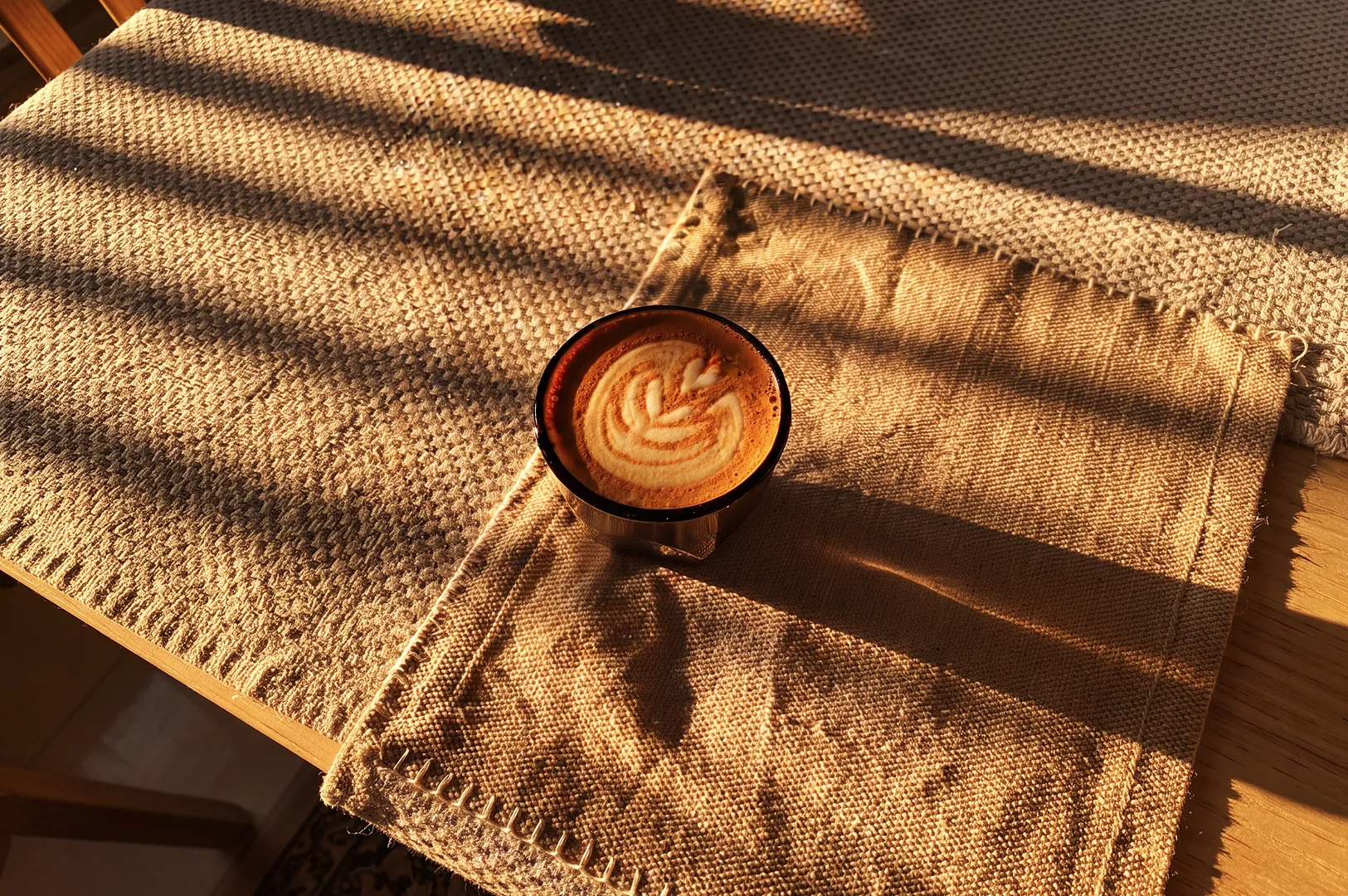
Visit a café at nine in the morning and return at four in the afternoon.
You might think you have walked into another place.
The same tables.
The same chairs.
The same counter.
But everything feels different.
Morning light stretches across the room. Cups arrive quickly. People sit quietly with laptops and newspapers.
By afternoon, conversations have taken over.
Friends linger over cake.
Someone has been sitting in the same chair for two hours.
The light has softened.
The room has slowed.
So which version is the real café?
Perhaps both.
Cafés Have Their Own Rhythms
Every café has a rhythm.
It begins before most customers arrive.
The lights come on. The machines warm up. Pastries are arranged. Coffee begins to move across the counter.
Then the morning arrives.
There is a certain efficiency to it.
People have places to be.
By lunchtime, the pace changes.
And later, something softer happens.
The café stops feeling like a stop on the way somewhere and begins to feel like a destination in itself.
Morning Cafés Feel Like Beginnings
There is something optimistic about coffee in the morning.
The day has not happened yet.
A blank notebook sits beside the cup.
A laptop opens.
A newspaper folds across the table.
Even the café itself seems more orderly.
For some people, this is when cafés make the most sense.
They offer a transition between sleeping and starting.
A small ritual before everything becomes busy.
Afternoon Cafés Feel Like Permission
By four o'clock, the mood changes.
The urgency of morning has passed.
Lunch is over.
The evening has not quite begun.
This might be the best time for lingering.
A slice of cake.
Another coffee.
A conversation with no obvious ending.
The afternoon café feels less like a place between destinations and more like somewhere you have chosen to be.
And there is a reason the surroundings can matter so much. Research into the coffee-drinking experience has found that visual, auditory, olfactory and tactile aspects of the environment can influence how people perceive their coffee and the experience of drinking it. This makes the café itself part of the experience, rather than merely the backdrop. Read the research on coffee and atmosphere.
Even The Drink Changes With The Hour
What we order often follows the rhythm of the day.
A strong espresso can feel right when time is short.
A flat white invites a little more comfort.
A filter coffee can turn the act of drinking into something slower and more deliberate.
If you have ever wondered why certain drinks seem to suit certain moods, our guide to different coffee styles and the people who gravitate towards them explores the idea in more detail.
Perhaps The Best Time To Visit Is The Time You Need
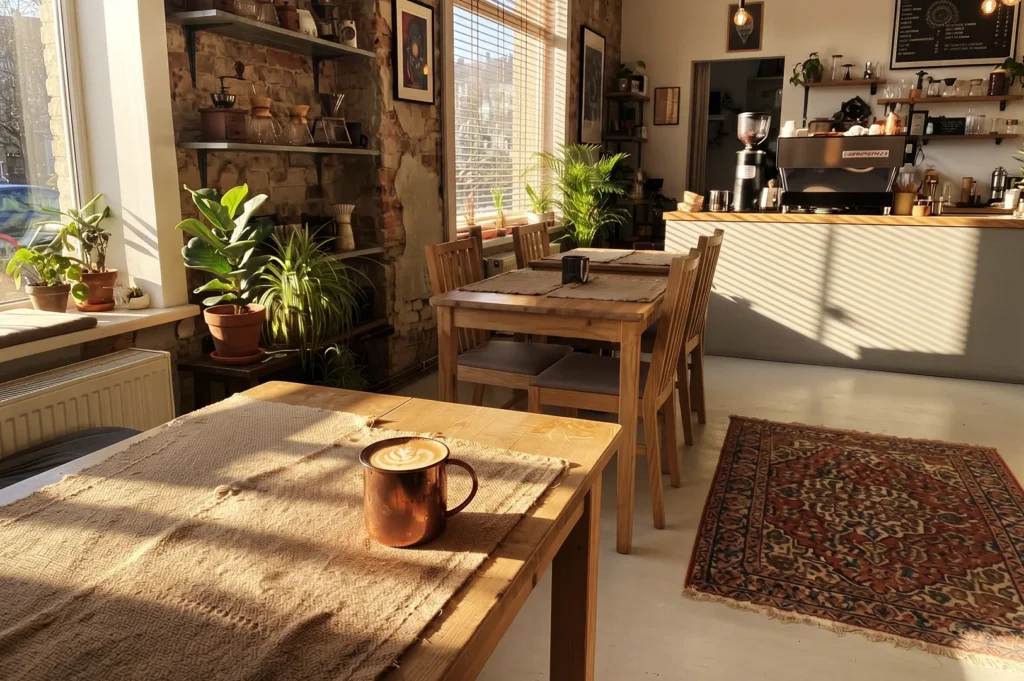
There is no universal perfect café hour.
Morning is not better than afternoon.
Quiet is not necessarily better than busy.
It depends on what you are looking for.
Sometimes you need a table where you can think.
Sometimes you need a room full of conversation.
Sometimes you need to be alone.
And sometimes you simply need somewhere to sit until the day feels a little less hurried.
That is the beauty of cafés.
The room changes with the hour, and somehow, so do we.
Maybe the question is not when a café is at its best.
Maybe it is:
When do you need it most?