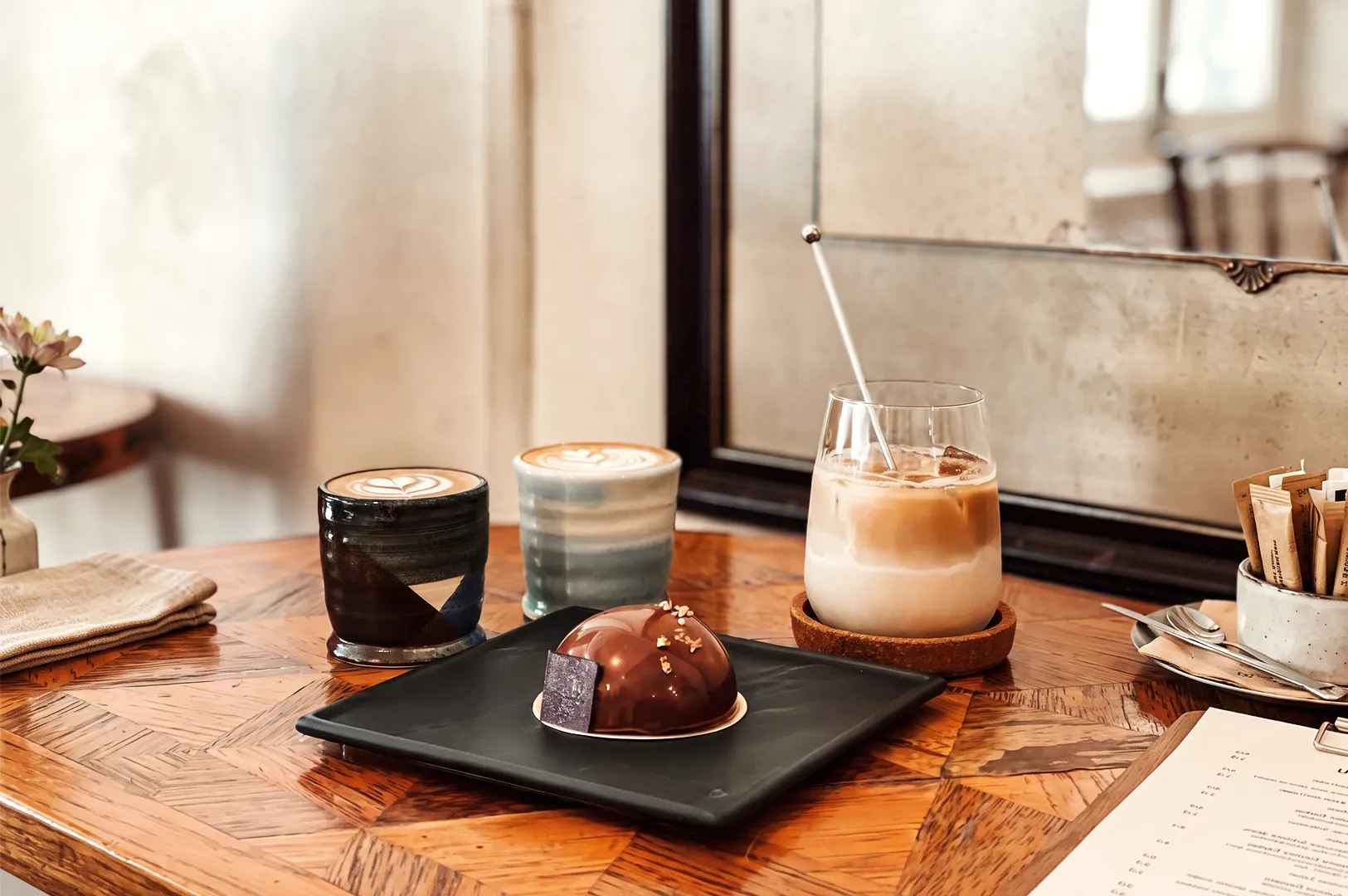
The first time I tried to “do” cafe hopping properly, I bookmarked five places and finished none of them.
I started in Tiong Bahru, rushed to Orchard Road, then a car to Dempsey, then somewhere near Neil Road I can barely remember. By the third stop, I couldn’t taste the coffee anymore. Everything had blurred into the same flat white, the same interior shot, the same twenty minutes of sitting before I checked the next address.
I got home tired. I had photos. I had almost nothing else.
That day taught me the thing this whole piece is built on: cafe hopping in Singapore is not a race to collect addresses. It’s a way of spending time — with the coffee, the room, and the streets between one cup and the next.
If you want a starting point for the kind of place that rewards this pace, I’ve written before about the best cafes in Singapore worth lingering in — rooms built for staying, not for turning tables.
What Cafe Hopping Singapore Actually Means
Somewhere along the way, “hopping” started being taken literally.
The idea became: hit as many coffee shops as possible, order the most photographed dish at each, and move on before the drink goes cold. Five, six stops in a day. A camera roll full of marble tables and natural light streaming.
I understand the appeal. But I’ve done it, and I can tell you it hollows out fast.
There’s a quieter version, and it’s the one worth learning. Singapore cafe hopping done well means two or three carefully chosen cafes in Singapore, usually inside one neighbourhood, with walking and food wise small discoveries in between. You’re not chasing a checklist. You’re letting the day unfold.
The difference matters more than it sounds. Fast hopping is about consumption. Slow hopping — the kind I’ll keep coming back to here — is about presence.
How Many Coffee Shops Should You Actually Visit?
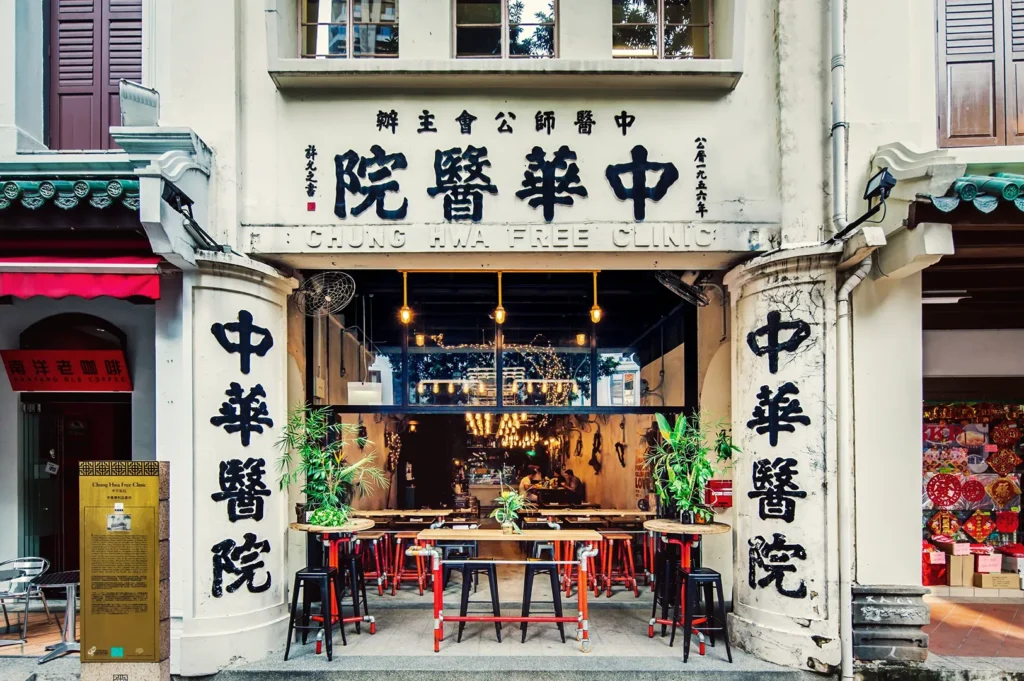
There’s no rule. But if you want my honest recommendation, two or three is the sweet spot.
I know that feels low if you’ve seen those “10 cafes in one day” guides. But think about what you’re really after. Five stops means five queues, five bills, and a stomach that gave up somewhere around café three. You end up remembering the logistics, not the coffee.
Here’s a rhythm I’ve found works well:
10am — first café: specialty coffee and a real breakfast — kaya toast with a soft-boiled egg, or a plate of creamy eggs and scrambled eggs
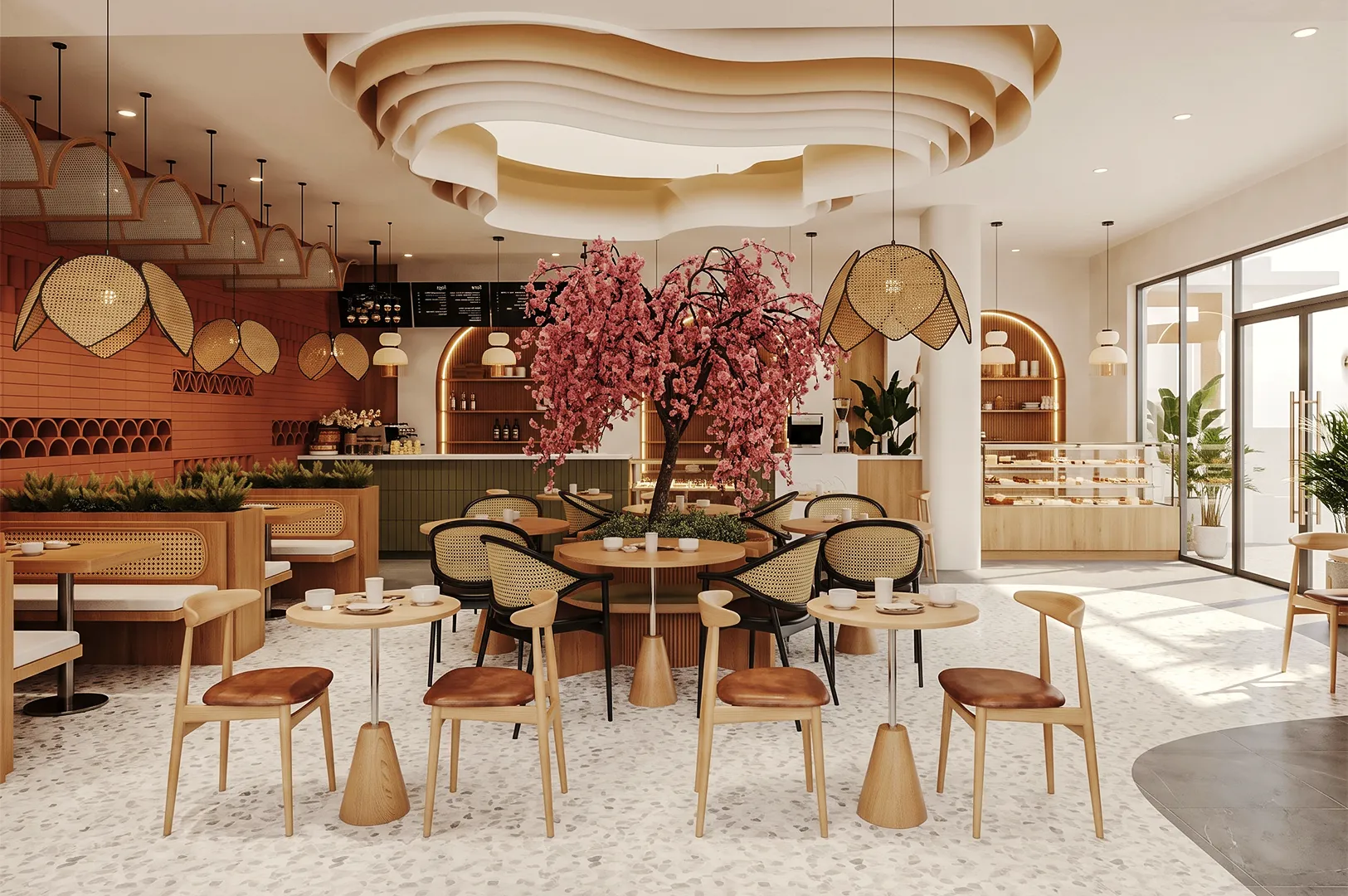
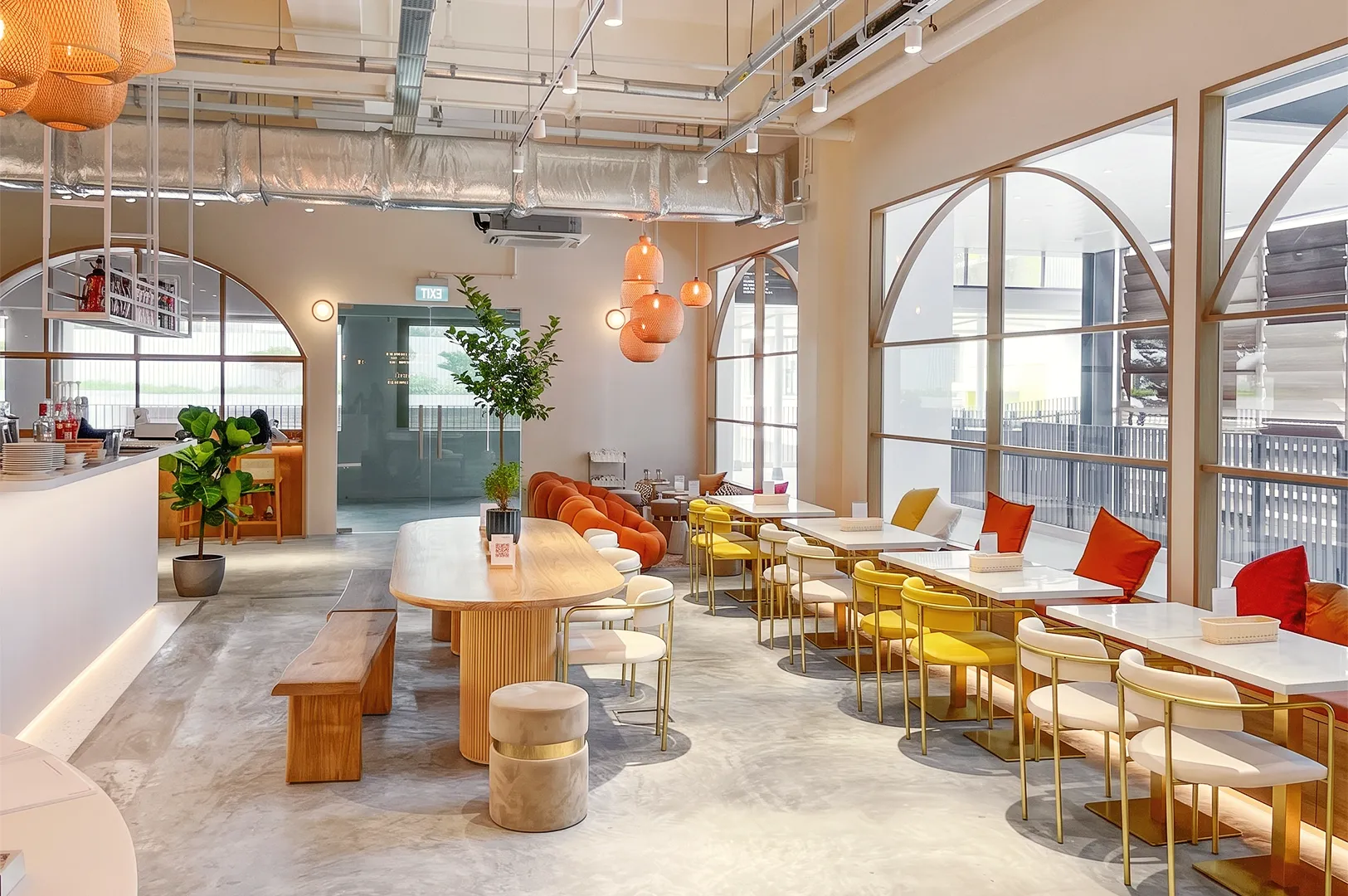
12pm — a walk through the neighbourhood, enjoying the beautiful cafes, wooden furniture, and wooden elements
1.30pm — second café: a bakery, and the pastries that come out of it — a croissant still baked fresh, maybe a slice of something with fresh cream or matcha ice cream
3pm — shops, old shophouses, a market, a park
4.30pm — final stop: something slower — tea, a pour over, or a dessert you’d never make at home, maybe an iced matcha latte or afternoon tea
That turns your day into roughly six hours of exploring, not three hours of rushing between tables. It also spares you the caffeine jitters and the food fatigue that ruined my first attempt.
Plan by Neighbourhood, Not by Bookmark
This is the single most useful thing I can pass on.
The mistake I made — and I see it constantly — is building an itinerary from a list of the best cafes in Singapore scattered across the whole island. On paper it looks impressive. In practice it’s a transport schedule pretending to be a day out.
The fix is simple. Pick a neighbourhood first. Then choose the cafes second.
Singapore’s café scene makes the most sense at street level, where the coffee sits beside everything around it.
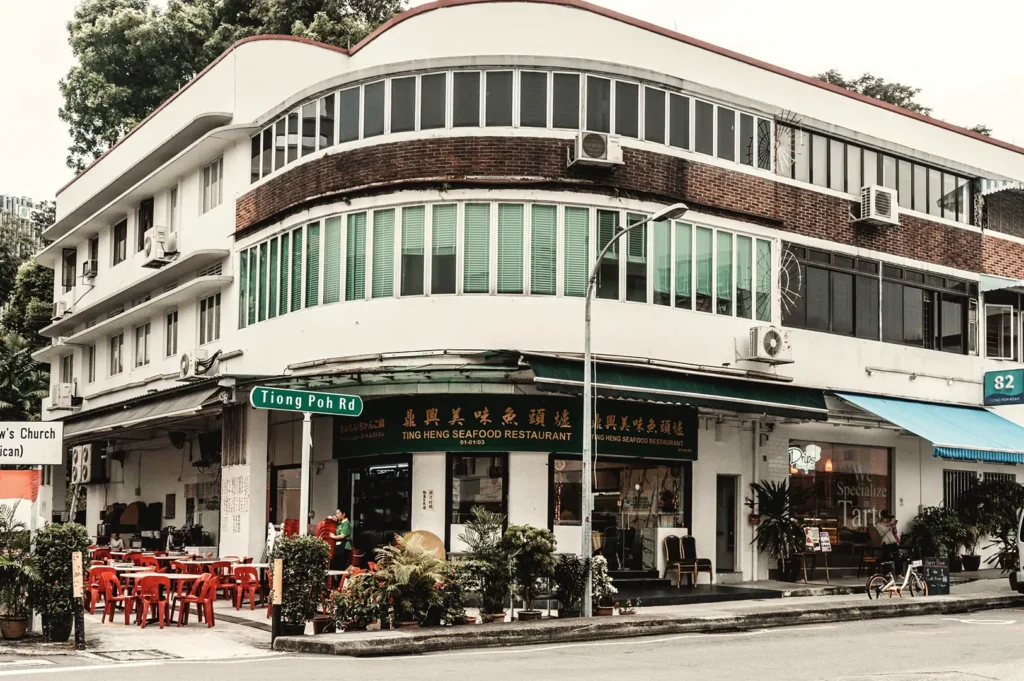
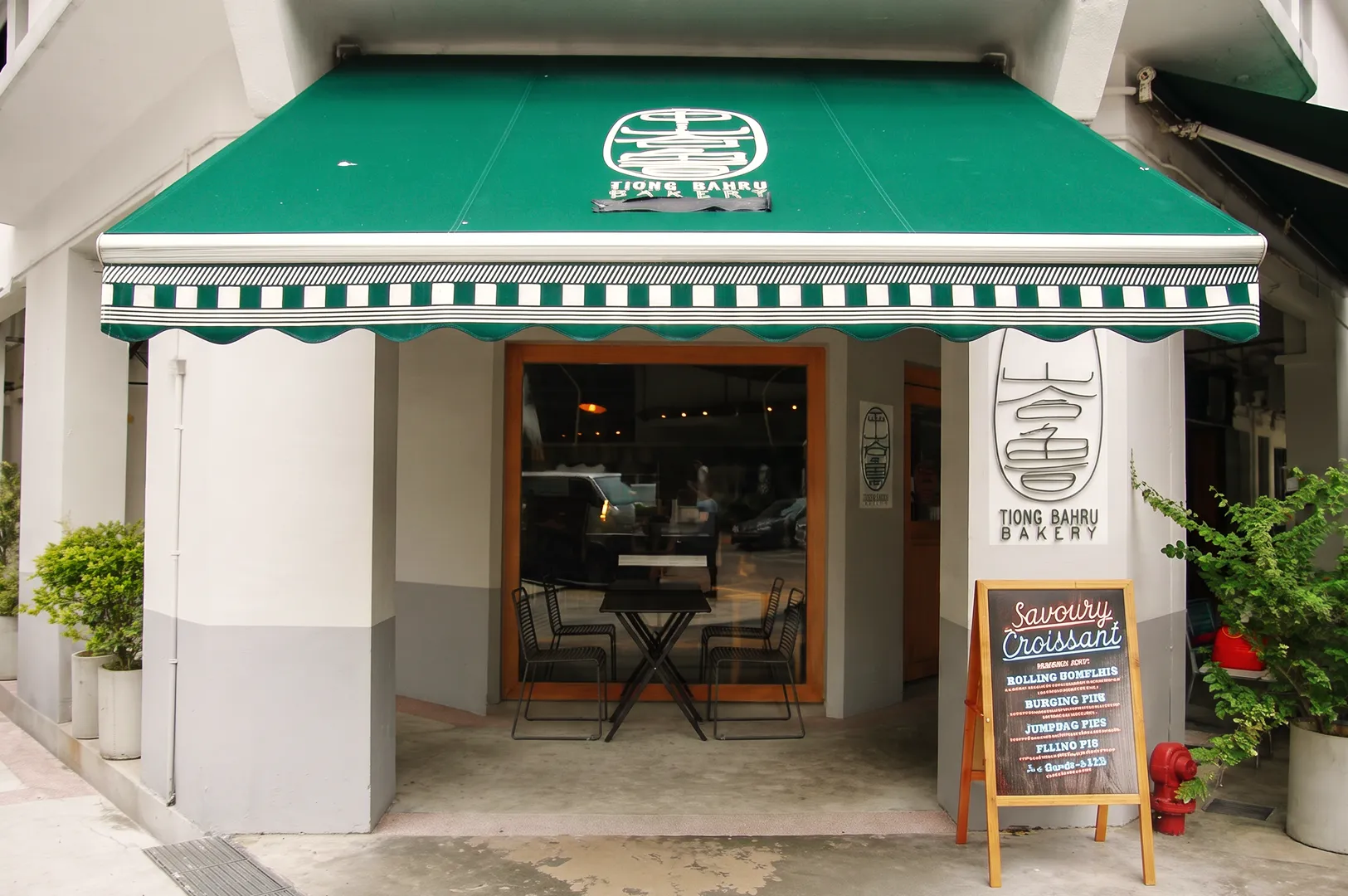
Tiong Bahru is perfect for newcomers: low-rise Art Deco blocks, an old market, independent shops, specialty coffee spots like Apartment Coffee, and older food businesses all within walkable streets. Spend a whole morning here without needing a train.
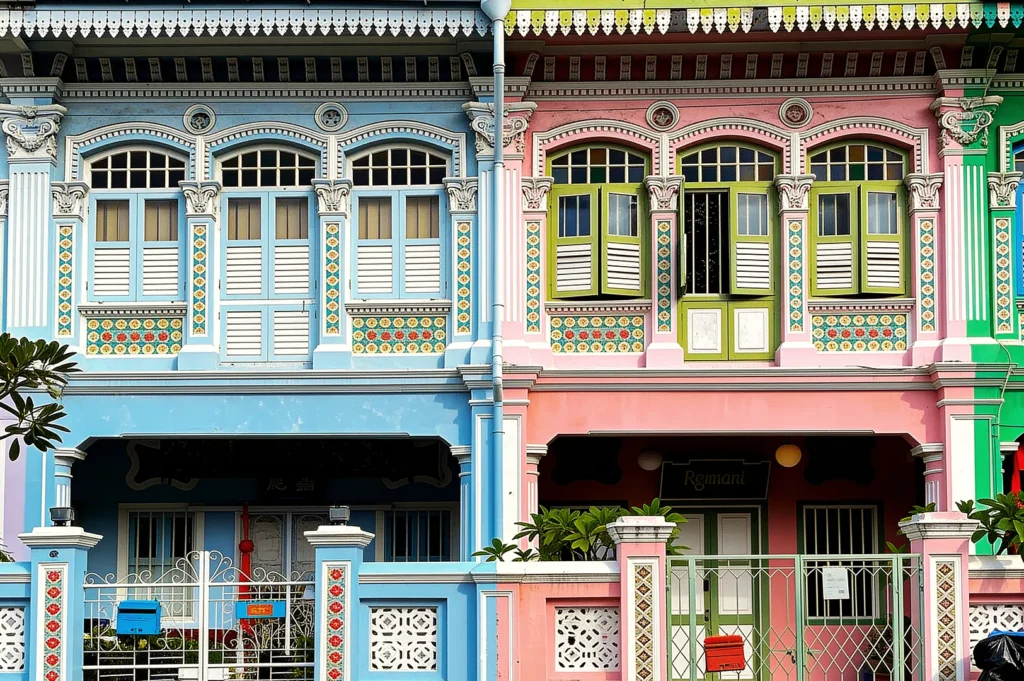
Katong–Joo Chiat features cafes among Peranakan heritage, colourful shophouses, and rich food culture. The walk between stops is a highlight—the architecture itself is a draw. Katong Shopping Centre is a good hub.
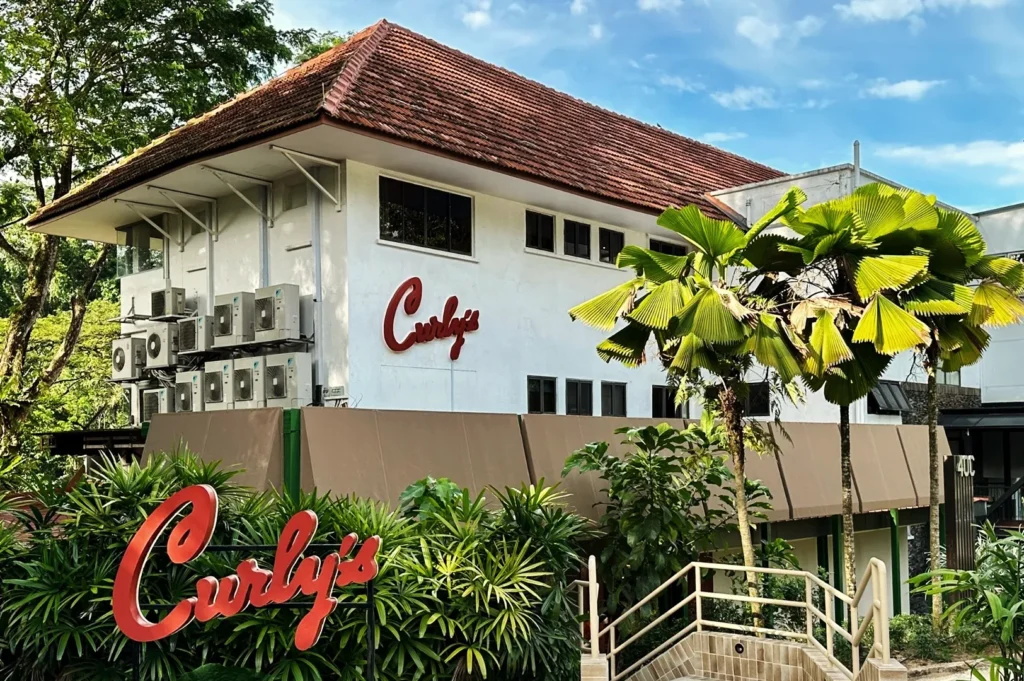
Dempsey is more spread out, surrounded by greenery and heritage buildings, ideal for a slow lunch and coffee afternoon rather than quick hopping. Come here for ease, not speed.
Atlas Coffeehouse and Knowing What the Coffee Costs
Prices help make this real, so let me use one place I know well.
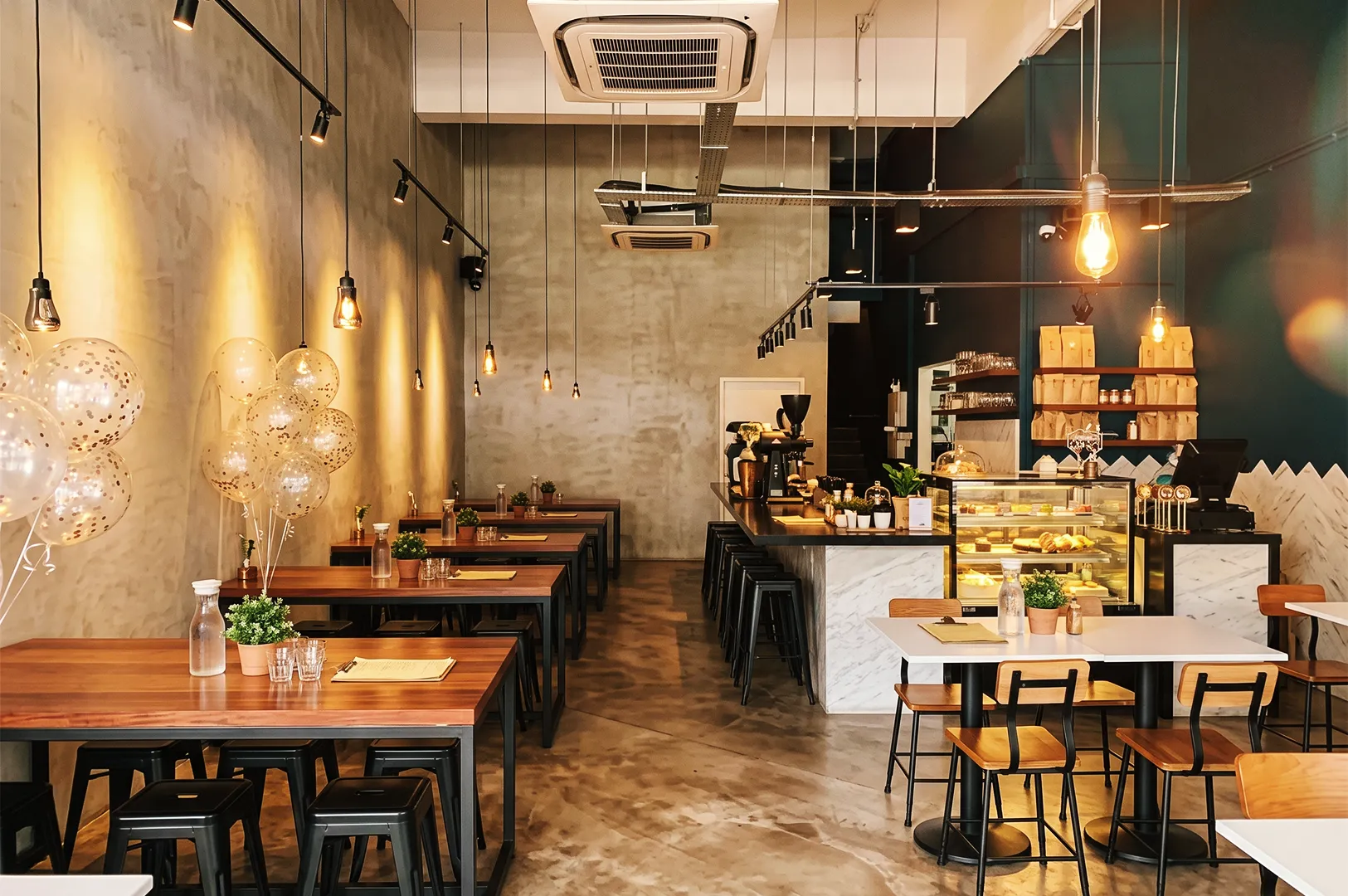
Atlas Coffeehouse over near Botanic Gardens is a good yardstick for what an independent café costs these days. Espresso sits around S$5.01, a small flat white around S$5.78, an iced latte close to S$6.98, matcha drinks a little over S$8, often with oat milk. On the food side, banana bread runs about S$14.17 and the hotcakes around S$18.53, with maple syrup and fluffy pancakes.
So here’s roughly what a day of cafe hopping in Singapore costs, per person:
Coffee-only stop: around S$5–S$9
Coffee plus a pastry or something light: roughly S$12–S$25
Brunch with coffee: around S$25–S$40 or more at a mid-range spot
A three-stop day, then, lands somewhere between S$35 and S$70 per person, depending on whether you’re eating full meals or just drinking good coffee.
Fair warning: Watch the “++”. Singapore’s GST is now 9%, and many sit-down cafes add a 10% service charge on top — with GST then calculated on that higher amount. A S$100 bill quietly becomes closer to S$120. Counter-service cafes often skip this, so it’s worth knowing which kind of room you’ve walked into before you order three drinks.
At a serious specialty coffee spot like Five Oars Coffee Roasters or September Coffee, I’ve stopped defaulting to my usual order. Instead I ask the barista one question: “What are you most excited about today?” It almost always leads somewhere better than the flat white I’d have picked on autopilot. You learn the café’s tasting notes, its roasting choices, the single-origin they’re quietly proud of.
How Long Is Too Long to Stay?
People ask me this constantly, and they want a number. There isn’t one.
There’s no Singapore-wide rule that says one coffee buys you ninety minutes. Policies shift by venue, by capacity, by the hour. So the better question isn’t “how long am I allowed?” It’s “what’s happening around me?”
Nursing a second coffee for an hour on a quiet Tuesday afternoon, in a half-empty room, is a completely different thing from holding a four-person table with one finished latte while ten people wait outside on a Sunday. Same behaviour, opposite meaning.
That awareness is, honestly, the whole of café etiquette in one line: stay longer when the room allows it, and move on when your staying keeps someone else standing.
Cafe Hopping Singapore Etiquette
A few things I’ve come to hold to, gently:
Keep your bags off empty chairs once a place gets busy.
Take a table that fits your group, not the biggest one free.
If you’re staying substantially longer, order again — or move on.
Respect any posted laptop or dining-time limits.
Keep calls and video sound down. You’re in a shared room.
You’ll also notice chope culture — tissue packets, umbrellas, small belongings left on seats to reserve them. It’s a well-known local habit, and there’s genuine local debate about when it tips over into seat-hogging. As a visitor, don’t casually clear someone’s tissue packet and claim the seat. And equally, don’t leave your own things unattended for long stretches. The unwritten line is somewhere between the two.
Avoid Peak Hours If You Actually Want to Linger
Timing changes everything about whether a café feels laid back or pressured.
The most linger-friendly windows are weekday mornings and mid-afternoons. The hardest are weekends, roughly 10am to 2pm, at the popular brunch spots like French Fold at Palais Renaissance or Chye Seng Huat Hardware.
It’s not mysterious — the more people waiting for a table, the less the room can afford to let you sit.
If a weekend hop is unavoidable, I do this: make your busiest, most famous café the first stop, arrive close to opening, then save the quieter places for later. You get the in-demand room before the crowd, and your slow afternoon somewhere calmer.
And leave slack in the plan for weather. Singapore heat and sudden rain mean you can’t book three cafes in Singapore at exact hourly intervals. Walk when it’s pleasant, duck into a café when the rain comes, resume after. A little flexibility saves the whole day.
Why Fewer Cafes Make for a Better Day
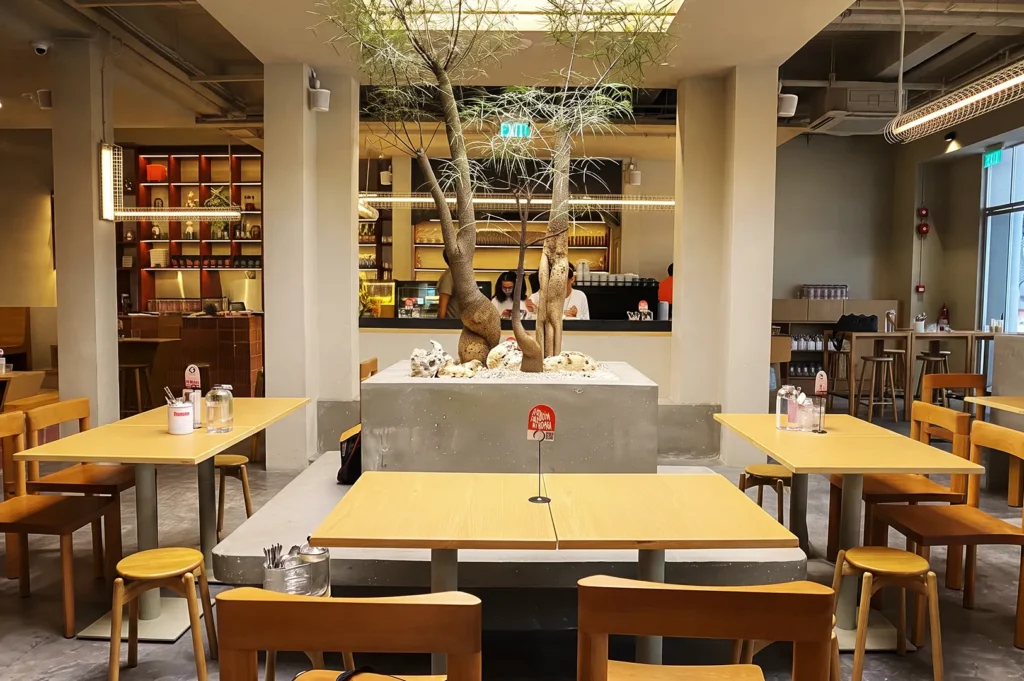
Here’s the thing the rushed version never lets you feel.
When you stay an hour somewhere instead of twenty minutes, you start noticing what disappears on a quick visit. How the service loosens once the brunch rush thins. What the regulars actually order. The music. The neighbourhood clientele drifting in. Whether the room still holds up after the first photograph.
You can’t collect that. You can only sit with it.
The aim was never to complete Singapore’s café scene. Nobody can, and trying just leaves you tired with a full camera roll and an empty afternoon. The aim is to actually experience a small part of it — one neighbourhood, two or three good cafes in Singapore, and the streets that hold them together.
That’s the whole idea behind Unrushed Cafes, and it’s the one I keep coming back to. Use the MRT to reach the neighbourhood — fares start around S$1.28, so it’s never really about cost. Then slow down.
Because at the end of the day, the question worth answering isn’t “how many cafes did I visit?”
It’s “what did this part of Singapore feel like?”
Pick fewer places. Walk more. Order something different at each one. Look at what sits between them.
Then order the good coffee, and let the afternoon take its time.