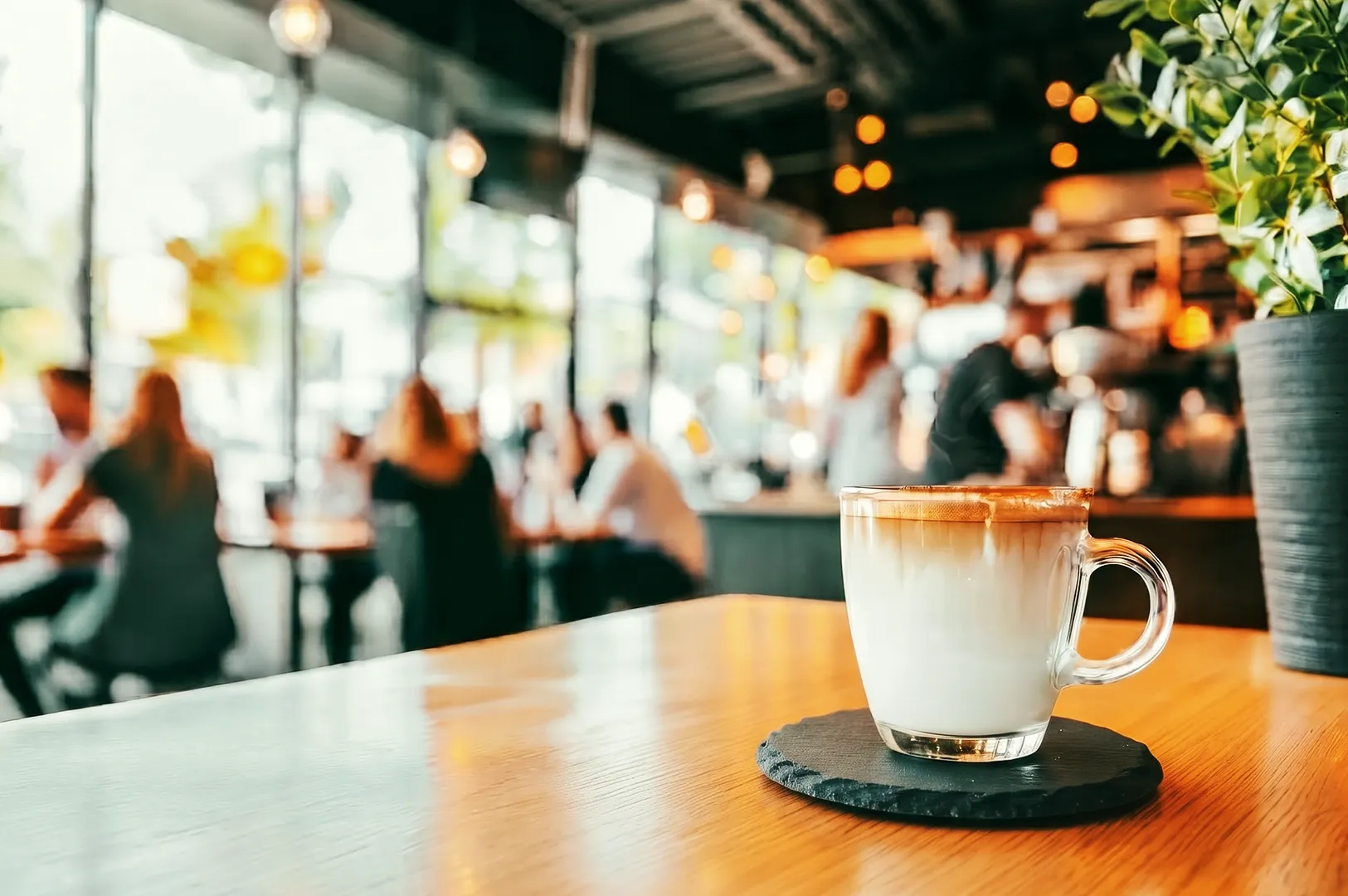
There is a particular moment in a café that tells you everything.
The coffee is finished.
The plate has been cleared.
There is nowhere else you particularly need to be.
And yet, you stay.
Perhaps the conversation has not quite reached its end. Perhaps the afternoon light has become too beautiful to leave behind. Or perhaps the café has simply given you something that the rest of the day has not: permission to slow down.
We tend to think of cafés as places we go to. But the cafés we remember are often the ones that become places we stay in.
When A Coffee Becomes An Afternoon
Nobody usually plans to spend three hours in a café.
It begins innocently enough.
“Let's grab a coffee.”
Then someone orders something to eat. A story leads to another story. The laptop opens. A second drink arrives.
Suddenly, the quick coffee has become an afternoon.
This is part of what makes cafés so interesting. They sit somewhere between the purposeful spaces of everyday life. They are not home, but they can feel comfortable. They are not work, but work can happen there. They are not quite social clubs, yet friendships are built around their tables.
Sociologists often refer to these kinds of environments as third places — spaces outside home and work where people gather and interact. The concept of third places helps explain why certain cafés can feel surprisingly important to our routines.
The Things We Cannot Put On A Menu
A café can tell you what is on the plate.
It cannot tell you how the room will feel at four in the afternoon.
That comes from smaller things.
The sound of cups being placed on tables. The distance between strangers. The music that never demands your attention. The person behind the counter who remembers your order.
None of these things appear in a menu description.
Yet they can determine whether you stay for twenty minutes or two hours.
A memorable café is rarely just a collection of good things. It is a collection of things that feel right together.
The coffee matters, of course. So does the food. But they are only part of the reason we return.
For anyone curious about how the drink itself shapes the ritual, our guide to different coffee styles and the people who order them offers another way of thinking about what happens between the cup and the table.
Perhaps We Are Not Looking For Coffee 2
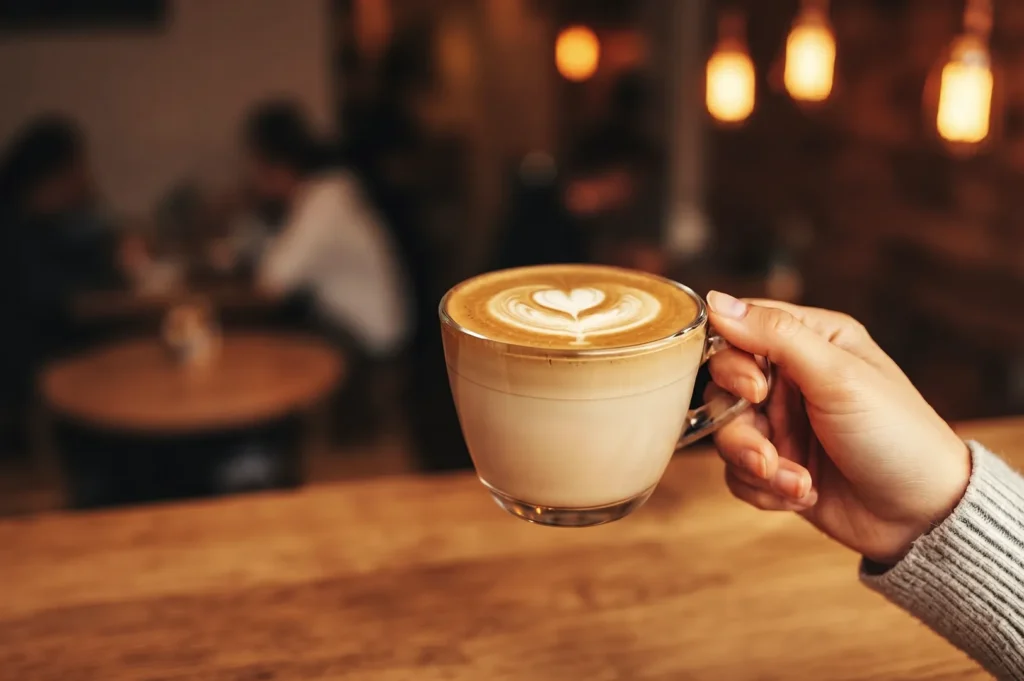
Maybe that is why café culture continues to feel so relevant.
We are not always looking for caffeine.
Sometimes we are looking for somewhere to think.
Sometimes somewhere to talk.
Sometimes somewhere to be alone without actually feeling lonely.
And sometimes, we simply want an hour that belongs entirely to us.
The best cafés understand this without announcing it.
They do not need to tell you to slow down.
They create a room where slowing down happens naturally.
That is what we are interested in at Unrushed Cafes.
Not simply where to find coffee, but where to find the kind of afternoon you did not realise you needed.
Because perhaps the real measure of a café is not how quickly you can finish your coffee.
It is how easily you forget that you were ever supposed to leave.