There’s a man at my usual café who orders a double espresso, sits down, and doesn’t touch it for ten minutes.
He reads. He watches the street. He lets the little cup go warm rather than hot. And every time I see him, I remember how wrong I was about espresso people.
I used to think the smallest drink belonged to the busiest person. Order, shoot it, leave. But this man taught me something over the course of a few slow mornings I never actually spoke to him about: a coffee order tells you less than you’d like it to.
Still, it tells you something. A small clue. A soft hint. Not a diagnosis, never that. Just a quiet suggestion of what you reach for, and maybe why.
What your coffee order actually says about you
Let me be honest before we start.
None of this is science. Your latte does not reveal your childhood. Your cold brew is not a window into your soul. I’m not here to tell you that espresso drinkers are ambitious or that cappuccino people fear commitment.
What I’ve found, after years of sitting in cafés watching more than I should, is gentler than that. The drink you keep returning to says a little about how you like to spend your time. Whether you want something to sip slowly or something to settle into. Whether you chase intensity or ease.
That’s all. A mild observation, offered with affection.
Take it as playfully as I mean it.
The main types of coffee drinks, decoded
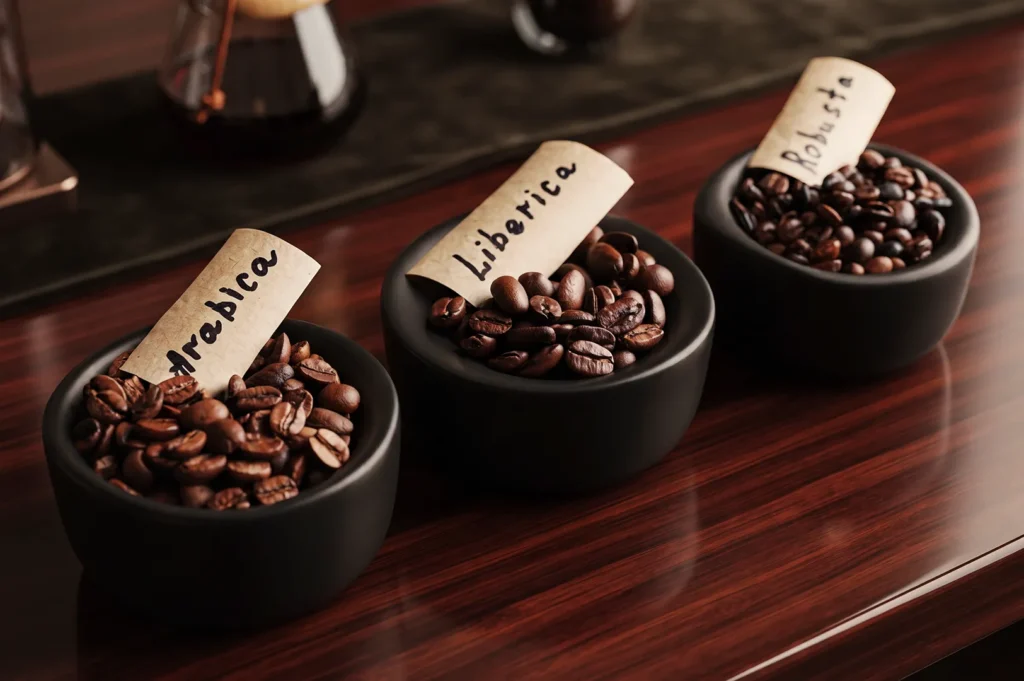
Before the personalities, a quick and painless primer. Because half the confusion at any coffee shop comes from menus that assume you already know.
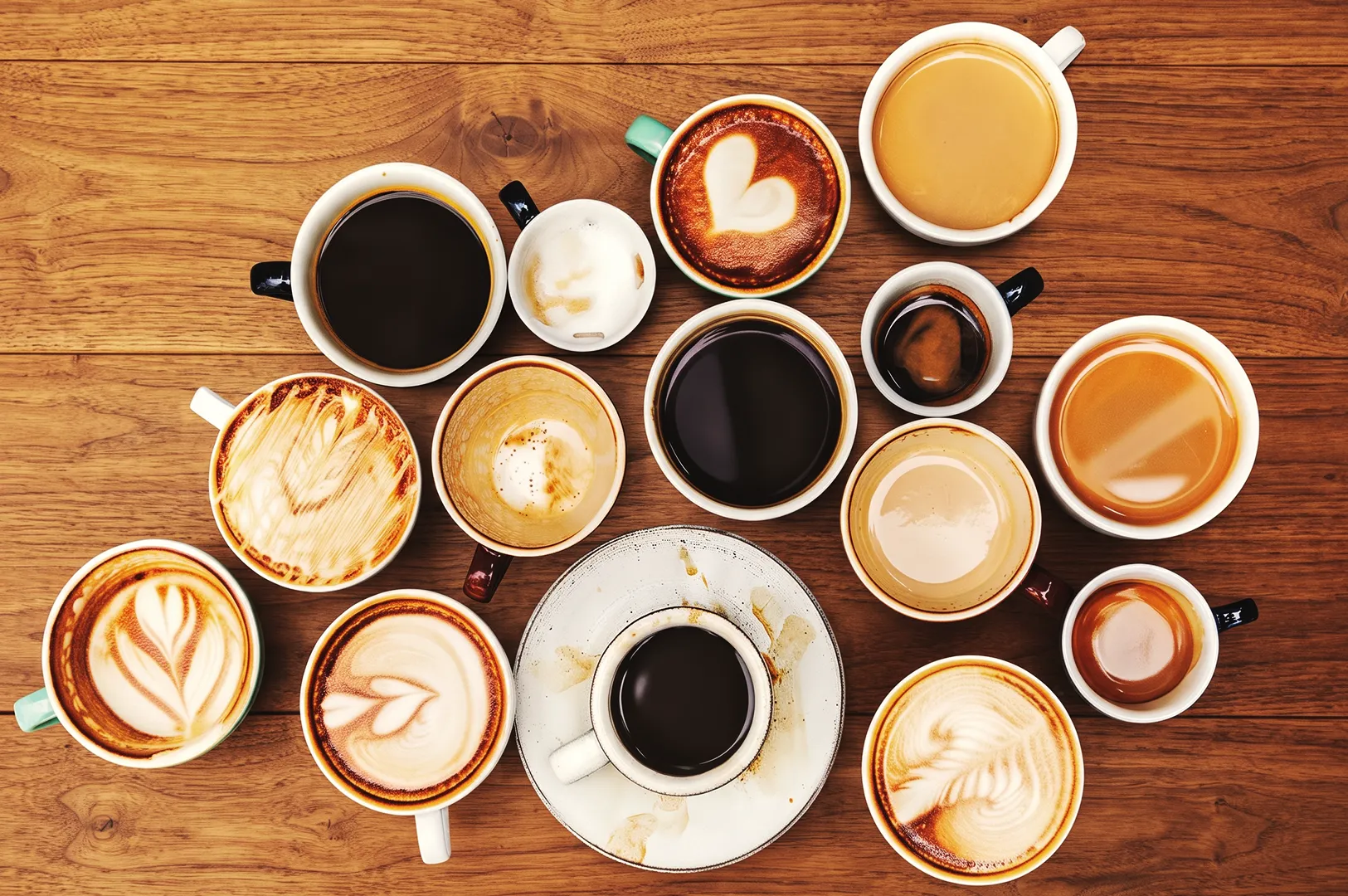
Most of the different types of coffee drinks you’ll meet come down to a few simple things: the brewing method, the milk-to-coffee composition, how much espresso, and how it’s been served. That’s really it. Everything else is texture and size.
At a specialty place like Atlas Coffeehouse near Botanic Gardens, the menu splits neatly into black coffee, white coffee, and iced — with espresso, long black, piccolo, cortado, flat white, latte and cappuccino all sitting as their own choices. Once you understand the categories, coffee shop menus stop looking intimidating.
Now, the people.
The espresso person
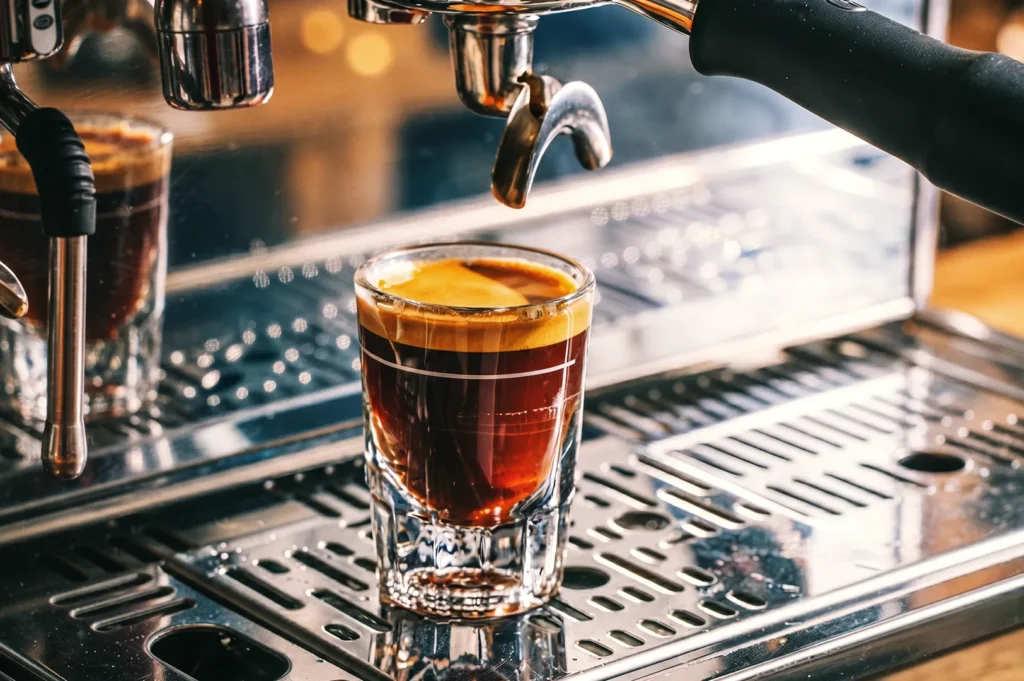
You order the smallest thing on the menu and you’re not sorry.
A single or double serving of espresso shots, brewed under high pressure from finely ground coffee beans and served in a small cup, with each shot of espresso concentrated and no milk to hide behind. You came for coffee in its most honest form.
But here’s what I’ve learned, thanks to that man with his cooling cup: an espresso order says nothing about your pace. Some espresso drinkers are out the door in ninety seconds. Others sit longer than anyone. The size of the cup and the length of the stay have almost nothing to do with each other.
The long black person
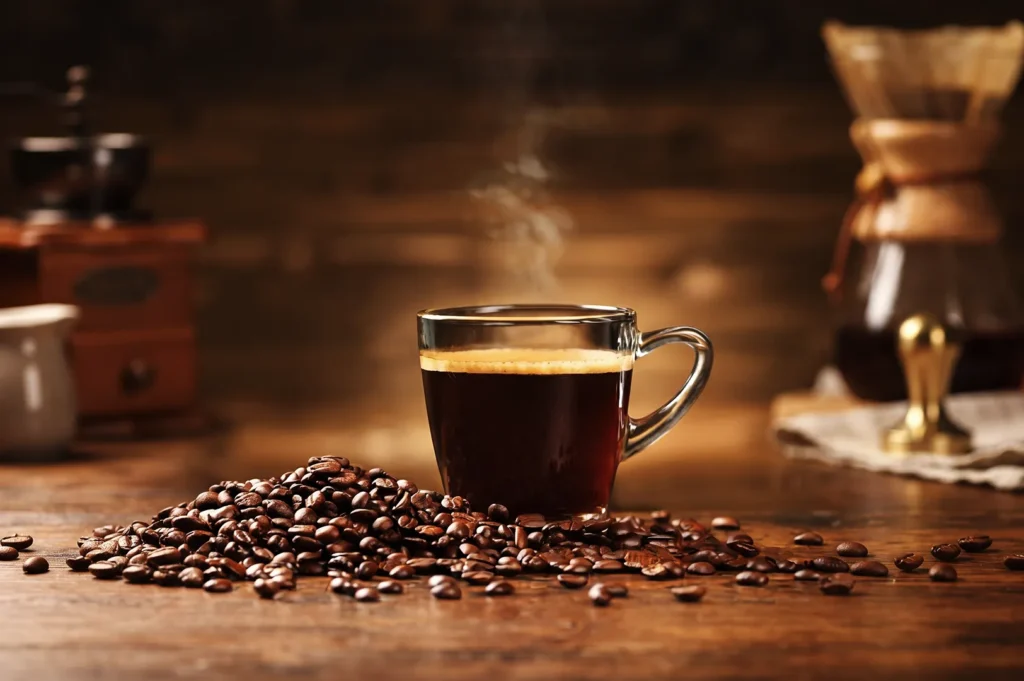
You want the coffee to stay recognizably coffee — but you’d also like it to last longer than a mouthful.
A long black is espresso with hot water, typically served hot, the flavor stretched out over time. Close cousin to the Americano, though cafés will fuss over which order the water and espresso go in. If you care about that, ask. If you don’t, either one will treat you well.
I’ve come to think of the long black as the quietly patient order. Black coffee, yes, but unhurried about it.
The flat white person
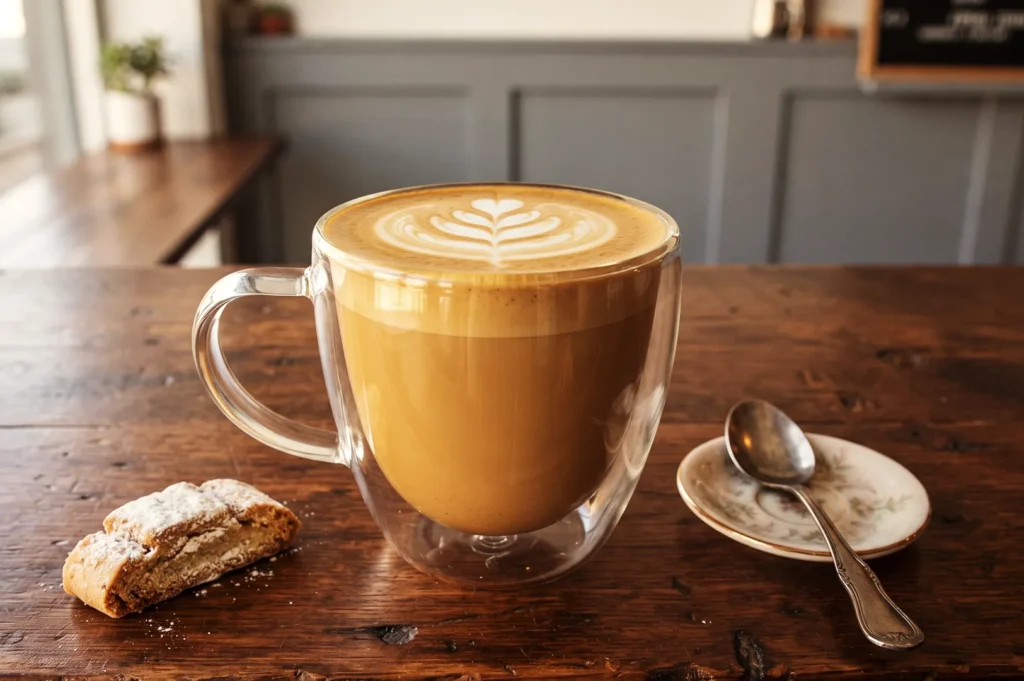
If this piece has a hero, it’s probably you.
You want milk, but you refuse to lose the espresso underneath it. Too much foam annoys you. Too much milk defeats the point. You’ve developed opinions about texture that you’d never admit out loud, and you notice — immediately — when the milk’s been steamed into stiff bubbles instead of something silky. Flat whites sit within the broader family of espresso drinks, which is part of why small changes in milk and texture matter so much.
A flat white at Atlas runs S$5.78 for a 7oz. The fact that it comes in 7oz and 9oz versions tells you everything about how little universal agreement there is on the “correct” flat white. Every café draws the line somewhere slightly different.
You’ve made peace with that. You value calibration. You might be adventurous everywhere else in life, but your coffee is one place you like knowing exactly what you’re getting.
The latte person
Let me clear something up, because it’s a tired old line.
Latte drinkers do not secretly dislike coffee.
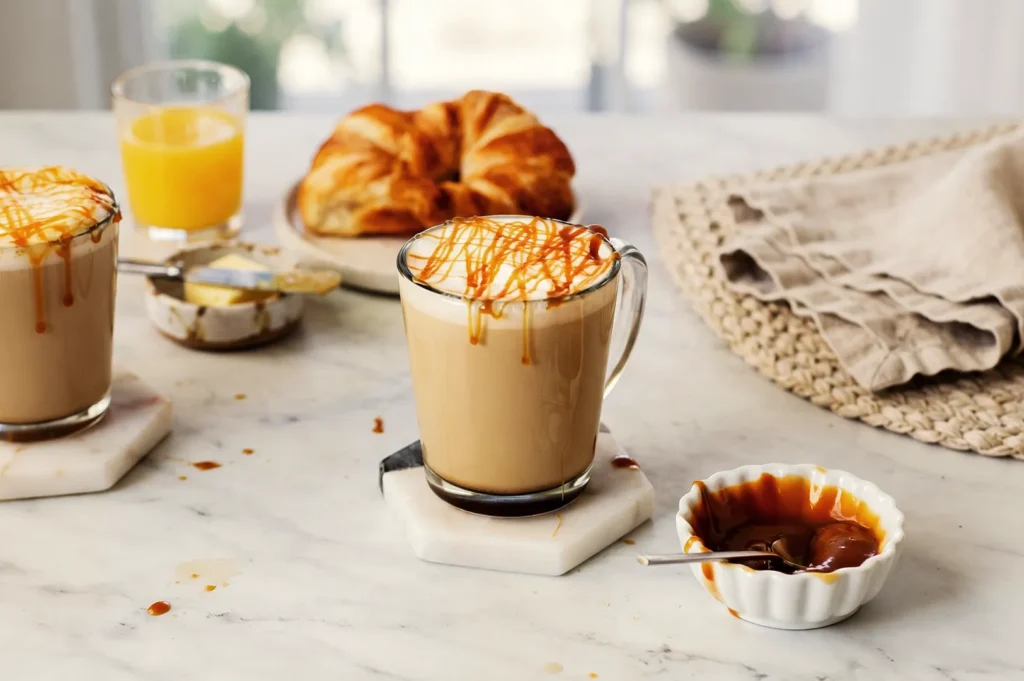
You like softness. Volume. Something you can hold with both hands and spend real time with. The espresso is there — typically one part espresso to three parts steamed milk — you just prefer it wrapped in more milk, gentler on the tongue, a drink that stretches across a whole conversation rather than ending too soon.
There’s a warmth to that. A latte, priced around S$5.78 for 7oz, is less about the caffeine hit and more about the ritual of having something to sit with. Nothing beginner about it. It’s a choice about how you want the next hour to feel.
The cappuccino person
You like a little structure.
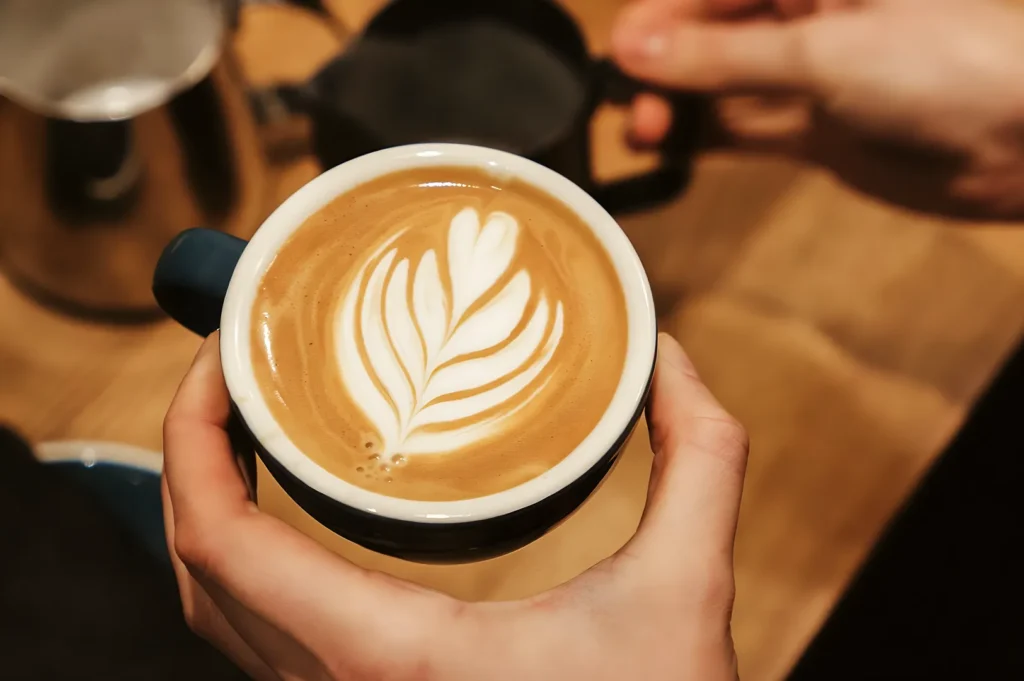
Espresso, milk, foam — each doing its own job, none of them overstepping. There’s something pleasantly old-fashioned about ordering one, a drink that’s been on menus for decades and never needed reinventing.
Cappuccino people, in my experience, tend to know what they like and have known it for a while. No apologies. No trends. Just the classic, done properly.
The cortado person
Close to the piccolo, a cortado is espresso “cut” with a little warm milk to soften the edges without drowning them. Unlike a traditional macchiato, which is espresso marked with just a little milk or foam, a cortado uses more milk for a softer balance. Around S$5.23 at Atlas.
You’re after balance, but a tighter one than the flat white crowd. Enough milk to take off the sharpness. Not a drop more. There’s a precision to it that I’ve always quietly admired.
The filter coffee person
You’re willing to wait, and that alone sets you apart.
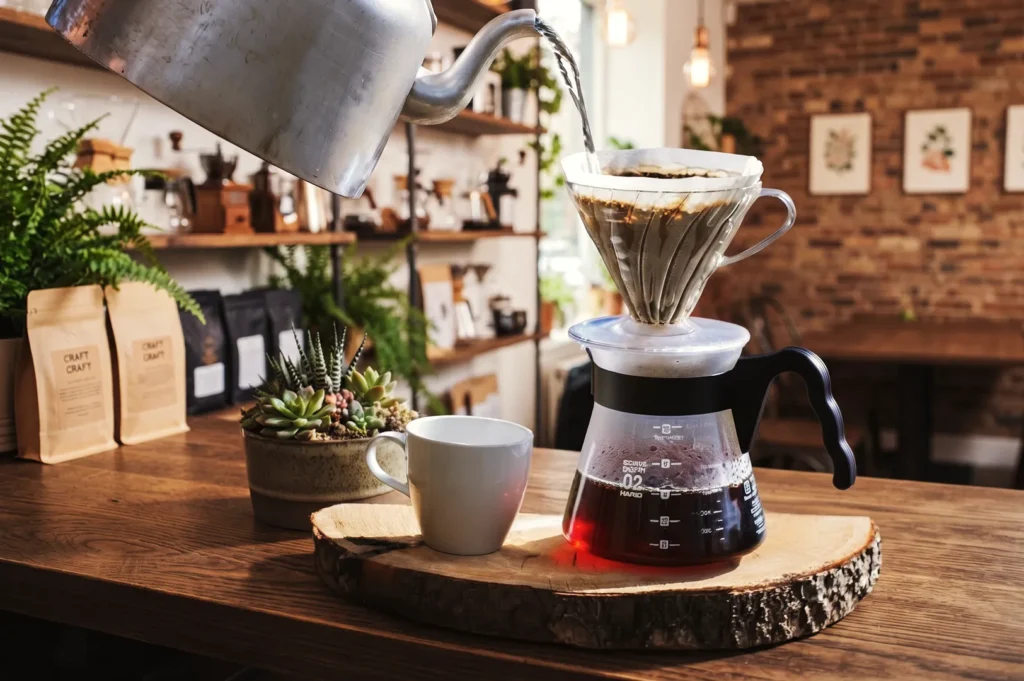
Filter coffee — pour-over, drip coffee, whatever the café calls it — is brewed coffee, using gravity or immersion rather than espresso pressure for extraction, and it rewards patience. Pour over is often slightly sweeter and smoother because the slower brewing method extracts flavor more gently.
You care about which beans are in the pot today, where they came from, how the flavor shifts as the cup cools. You’ll happily ask the barista what they’ve got. The quality of the coffee beans, along with growing conditions, can shape the flavor of the final drink. Arabica accounts for about 60% of global coffee production and is generally considered higher quality, while Robusta is known for a slight bitterness.
If you want to spend an afternoon somewhere that treats a slow filter coffee with the care it deserves, I’ve written before about the kind of café worth lingering in — you can read more here. French press is another option, using ground coffee and a metal filter for a fuller-bodied cup.
The cold brew and iced latte people
I’ll group these two, because in Singapore they answer the same honest question: why is it so hot?
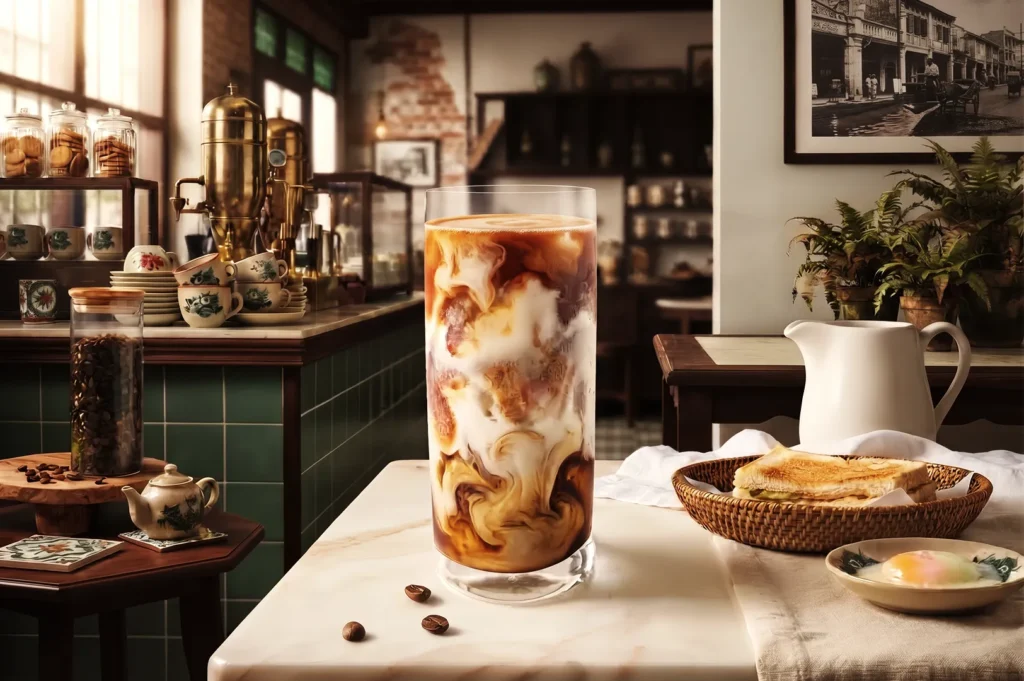
Cold brew is coffee made by steeping coffee grounds in cold water for 12 to 24 hours, smoother and cleaner, gentler on the stomach for some. Ready-to-drink cold brew is different from cold brew concentrate, which is usually kept in the fridge and diluted with water or milk later. If you order it, you planned ahead. You wanted something you could nurse through the heat rather than gulp before it cooled.
Iced latte — around S$6.98 at Atlas — gets unfairly dismissed as a photo prop. I won’t do it. Unlike iced coffee, which is usually brewed hot and poured over ice, an iced latte leans more on milk than chill alone. In a city where stepping outside at 2pm feels like walking into a warm towel, an iced milk coffee isn’t a trend. It’s common sense. You like coffee. You also understand the climate you live in. Those two things aren’t in conflict, which is why many coffee shops offer both.
And if you want something sweeter, a mocha at S$7.85 folds chocolate into the whole thing — no shame in that either.
And then there are the kopi people
Here’s where it gets interesting.
Everything above belongs to one coffee language. Singapore has another one entirely, older and every bit as rich, poured across kopitiam counters long before the flat white ever arrived.
I grew up around it. And I want to be careful here, because there’s a lazy habit of treating specialty coffee as the “upgrade” and kopi as the humble thing you graduate from. That’s wrong, and it misses the point completely.
Singapore doesn’t have one coffee culture. It has several, often living within a few streets of one another. A morning kopi and an afternoon flat white aren’t rivals. They’re two different pleasures, and you don’t have to choose.
The thing that always gets me about kopi is how personal the ordering is. You’d think “a latte” was specific. Try this instead.
The personalities carry over, too, and I say all this with real affection:
Kopi person — you want body, sweetness, familiarity. Home in a cup.
Kopi O person — milk is unnecessary. Coffee should arrive dark and uncomplicated.
Kopi kosong person — you’ve removed the safety net entirely. Respect.
Kopi C person — you want creaminess, just not the heavy sweetness of condensed milk.
Kopi siew dai person — you honor the tradition but reserve the right to edit it.
Kopi gao person — subtlety was never the goal.
Still not sure? A simple way to choose
If all of this is a lot, forget the names for a second. I ask myself three questions, and they’ve never failed me.
One — milk or no milk?No milk points you to espresso, long black, filter or cold brew. A little milk means piccolo or cortado. Balanced means flat white. More means latte or cafe au lait, which is half brewed coffee and half steamed milk. Milk with foam means cappuccino.
Two — strong and short, or long and easy?Strong and short is espresso or piccolo. Long and easy is a long black, a latte, or regular coffee if you want something less espresso-forward.
Three — hot or iced?In this heat, be honest with yourself. There’s no shame in the iced answer.
At a good coffee shop, you don’t even need the vocabulary. Just say “I like it strong,” or “something milky, not too bitter,” or “something cold I can take my time with.” Any barista worth their salt will guide you from there. You never have to memorize a single ratio.
Fair warning: watch the “++” at the bottom of your bill. Many sit-down cafés add a 10% service charge, with 9% GST on top of that, so a menu price of S$5.78 lands a little higher than you’d expect. Counter-service places and kopitiams usually skip it. Worth knowing before you order three drinks.
What your order doesn’t say about you

I want to end where I started, with that man and his cooling espresso — maybe a doppio, a double-shot espresso served in a small cup.
For a long time I thought the drink was the tell. That I could read a person by their cup. But the longer I’ve watched, the less sure I’ve become — and I think that’s the truest thing I can offer you.
Your latte doesn’t mean you’re unserious. Your filter coffee doesn’t make you better than anyone. Your espresso doesn’t mean you’re in a rush, and your kopi doesn’t mean you’re stuck in the past.
Sometimes a coffee order says something quiet and real about how you like to move through a morning.
And sometimes it says nothing at all.
Sometimes it was just hot outside, and you wanted an iced latte. Or it was an affogato, a scoop of ice cream with hot espresso served over the top, made with a double espresso shot.
Both are fine. Both are worth writing down. Order the one that feels right, sit with it a while, and let the morning take its time.